March 23, 2026A–D
Bot Mitigation
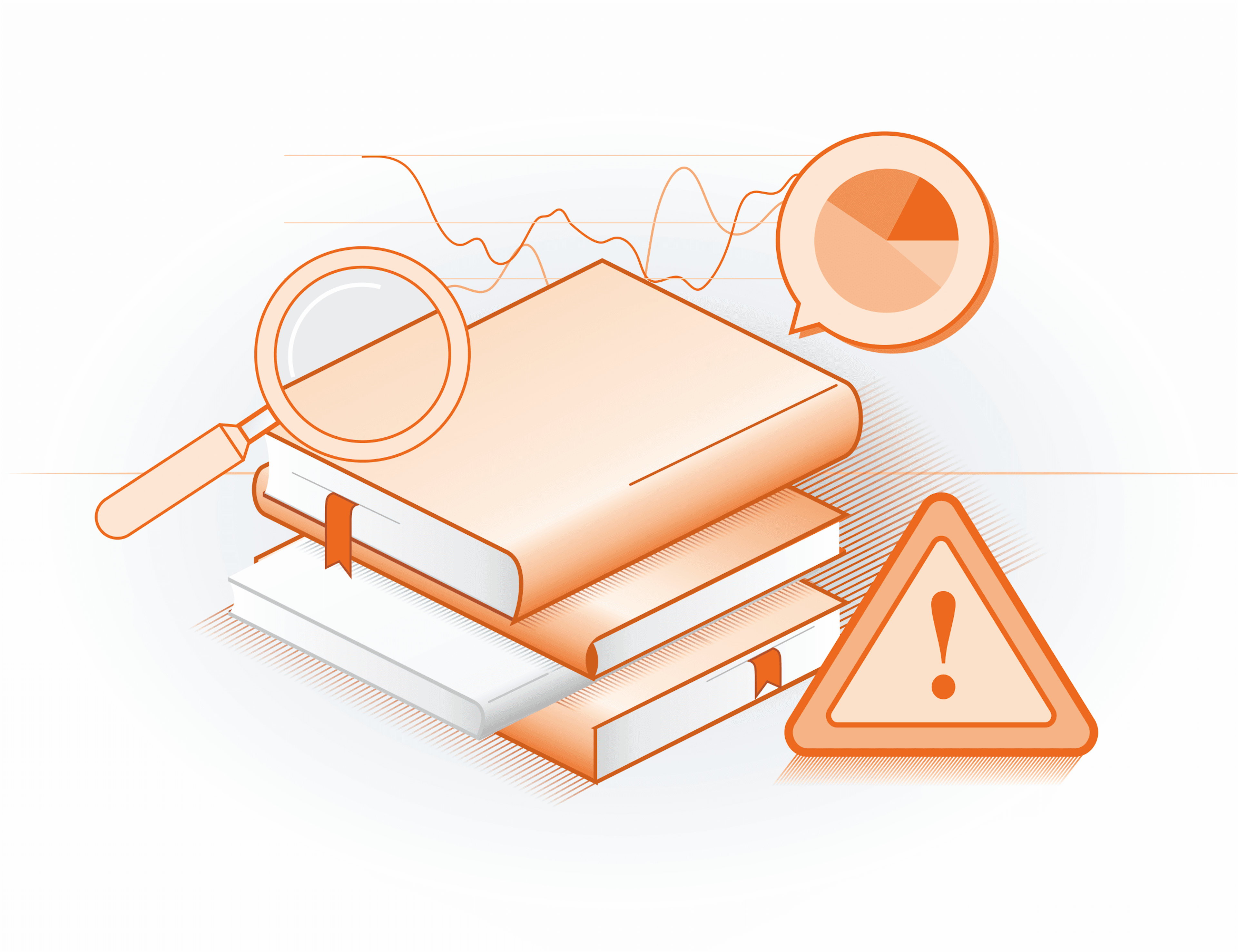


Automated traffic has become one of the most persistent challenges for online platforms. From credential stuffing and fake account creation to scraping and transaction abuse, bots now represent a significant share of internet activity. According to several industry estimates, automated requests can account for more than half of total web traffic in certain sectors.
In this environment, bot mitigation has become a core capability within modern fraud prevention and digital risk management systems.
Bot mitigation refers to the technologies and strategies used to detect, analyze, and block malicious automated traffic while allowing legitimate users and approved automation to access a service normally.
Unlike simple bot blocking, bot mitigation focuses on accurately distinguishing between harmful automation and legitimate activity. Many digital businesses rely on automation for normal operations – search engine crawlers, API integrations, monitoring tools, and customer-side automation. Effective mitigation therefore requires precise identification rather than indiscriminate blocking.
Modern bot mitigation systems analyze a combination of technical signals, behavioral patterns, and device-level indicators to determine whether traffic originates from a real human user or from automated infrastructure.
Bots are no longer limited to simple scripts. Today’s attackers use sophisticated infrastructure including headless browsers, proxy networks, and automated frameworks designed to mimic human behavior. These techniques allow malicious automation to bypass traditional security controls.
For organizations operating digital services at scale – banks, fintech companies, e-commerce platforms, and online marketplaces – bot traffic creates multiple layers of risk.
First, bots are frequently used to automate fraud operations. Attackers may run large-scale credential stuffing campaigns, test stolen payment details, or generate synthetic accounts. Without mitigation mechanisms, these attacks can scale rapidly and overwhelm existing controls.
Second, automated traffic can distort analytics and operational metrics. Marketing teams may see inflated traffic numbers, while risk teams lose visibility into real user behavior.
Third, bots create infrastructure pressure. Large volumes of automated requests can degrade performance, increase cloud costs, and create denial-of-service–like conditions even without traditional DDoS attacks.
For these reasons, bot mitigation solutions are increasingly deployed alongside fraud detection and identity verification systems as part of a broader risk management architecture.
Effective bot mitigation relies on multi-layer analysis rather than a single detection technique.
At the network level, systems analyze traffic patterns such as request frequency, IP reputation, and proxy infrastructure. Attack campaigns often originate from rotating proxy networks or cloud infrastructure designed to hide the attacker’s location.
At the device level, advanced mitigation tools examine browser and operating system characteristics. These signals can reveal automation frameworks, virtual machines, or manipulated environments that indicate bot activity.
Behavioral analysis adds another dimension. Real users interact with websites in ways that are difficult to replicate consistently – mouse movement patterns, timing between actions, and navigation paths often differ from automated scripts.
By combining these signals, bot mitigation platforms can identify suspicious sessions in real time and apply appropriate responses.
Several mitigation techniques are commonly used to reduce malicious automation.
This layered approach helps maintain user experience while limiting fraud exposure.
Bot mitigation is particularly important in industries where automated attacks can directly impact financial outcomes.
In digital lending, bots are frequently used to generate large volumes of loan applications. Attackers may test stolen identities or synthetic identity combinations to identify applications that pass automated approval systems.
In e-commerce, bots are used for card testing, inventory scraping, and promotional abuse. Fraudsters may run automated scripts to identify valid payment credentials or exploit discount systems.
Financial institutions also face credential stuffing attacks, where bots attempt large numbers of login attempts using previously leaked passwords.
In these environments, bot mitigation helps stop attack infrastructure before it reaches core fraud detection systems. By filtering automated traffic early in the request lifecycle, organizations can reduce noise and focus risk analysis on genuine user sessions.
As automation tools become more advanced, bot mitigation strategies must evolve accordingly. Attackers increasingly combine AI-driven automation with distributed infrastructure, making detection more complex.
Future mitigation approaches are likely to rely more heavily on behavioral modeling, cross-session analysis, and device-level intelligence. Rather than focusing only on individual requests, risk systems will analyze patterns across entire user journeys and attack campaigns.
For digital businesses, bot mitigation is no longer a niche security feature. It has become an essential component of modern digital risk infrastructure – protecting platforms from automated abuse while preserving a seamless experience for legitimate users.
Device intelligence is a digital risk architecture that analyzes device-level signals to detect fraud and support credit scoring without relying on personal data.

Behavioral analytics turns digital interactions into insights – helping banks and fintechs detect fraud, assess risk, and make faster, smarter decisions.
Multi accounting distorts analytics and hides fraud. Explore how device intelligence, behavioral analytics, and risk-based authentication stop it in real time.

Get a live session with our specialist who will show how your business can detect fraud attempts in real time.
Learn how unique device fingerprints help you link returning users and separate real customers from fraudsters.
Get insights into the main fraud tactics targeting your market — and see how to block them.
Phone:+971 50 371 9151
Email:sales@juicyscore.ai


Our dedicated experts will reach out to you promptly
 Bot Mitigation: Definition