October 22, 2026Fintech
Money20/20 USA 2026: Takeaways and Emerging Trends for Risk Teams



Money20/20 USA 2026 ran from 18 to 21 October at The Venetian in Las Vegas. For risk teams, four trends stood out this year: identity that now has to cover AI agents as well as people, inclusion treated as a design requirement, AI on both sides of fraud, and risk scoring moving onto new payment rails before money moves.
Let's look at each of these in more detail.
Identity framed the event from its first evening. At the Sunday Night Live keynote, Tools for Humanity CEO Alex Blania said people will increasingly need to know whether they are dealing with a human or an AI. The next day, World launched World ID for banking and finance, a set of tools intended to help banks prevent deepfake fraud and AI-driven impersonation across customer accounts, employee workflows and AI agents. On the Exchange Stage, PayPal CEO Enrique Lores made the same point from the payments side: "Trust was very important when e-commerce started. It's going to be even more important in an agent world."
The most practical discussion for fraud teams came from a Monday panel on how banks verify AI agents. Skyfire CEO Amir Sarhangi said banks and merchants are finding their fraud signals thrown off: an agent may show IP addresses from three different locations, normally one of the strongest fraud signals, while acting legitimately for a real customer. His conclusion was that the industry needs new fraud signals within the existing web security stack. On a separate panel, American Express described its Intent Intelligence framework, designed to let issuers receive a customer's authorised purchase intent before an agent completes a transaction.
For risk teams, this changes how individual signals are read. A location mismatch or an automation marker no longer points to fraud on its own when a legitimate agent may be acting for the customer. The context around it decides: which device and environment the session comes from, and whether its behavior fits that customer's pattern. That context also has to be built without collecting more personal data than the decision requires.
One of the program's four pillars, "Technology as the Great Equalizer", grouped agentic AI, AI-driven fraud prediction and digital identity. In a conversation with Money20/20 President Tracey Davies, Fereshteh Forough, founder and executive director of Code to Inspire, argued that products should be designed for the underbanked and underserved from the start rather than adapted for them later.
For lenders, inclusion is a risk question as much as a social one. Thin-file applicants are hard to assess on application data alone, and an automated decline often reflects missing data rather than actual risk. Device and behavioral signals collected during the online session can be used as additional inputs alongside bureau data, with the strongest separation on thin-file borrowers. How these signals combine in practice is covered in how new digital signals help models manage risk.
"Technology advanced on both sides," said Mandy DeFilippo, CEO of Standard Chartered US & Americas, Europe, Middle East and Africa. Her point was that the technology driving innovation also arms bad actors, so banks' controls have to evolve just as fast. Fiserv CEO Takis Georgakopoulos made a related point from the operations side: the larger opportunity for banks lies in how AI reshapes internal processes, not only customer interactions.
The agenda reflected both sides: a Tuesday session on fighting fraud from an AI-enabled attacker ran on the same stage, the same morning, as one on how explainable AI passed an audit. The pace differs. Fraudsters can use publicly available LLM tools to automate phishing and script social engineering at little cost per failed attempt. Risk teams have to explain each decision, validate it more than once and respond in under a second at high load.
For now, that points to LLMs as analyst tools: aggregating cases during investigations, researching new schemes, drafting reports. Decisions stay with structured, explainable variables that can be tested and audited. The limits are set out in more detail in our perspective on LLMs in fraud prevention and risk management.
New payment rails were a constant presence, and fraud controls followed them. Mastercard used the event to launch Stablecoin Security, an API that scores stablecoin payments for fraud, scam and sanctions risk before funds move on-chain. The Federal Reserve's FedNow Innovation Studio hosted demos of QR code payments, earned wage access, real estate transactions and business payments, according to Federal Reserve Financial Services. On a stablecoin panel, Borderless chief product officer Alex Garn argued that fraud and risk need a framework applied across the whole system rather than left to individual banks.
As settlement gets faster on every rail, there is less time to stop a bad transaction once it starts. More of the risk decision therefore moves into the session that precedes it.
The next article on device intelligence, fraud prevention and risk is on its way. Subscribe to our newsletter so you don't miss it.

Privacy by Design reduces fraud prevention systems’ reliance on personal data and drives the development of new risk assessment technologies. By analyzing device characteristics and user behavior, these systems can detect fraud without directly identifying individuals, while reducing the risks associated with data processing and storage.

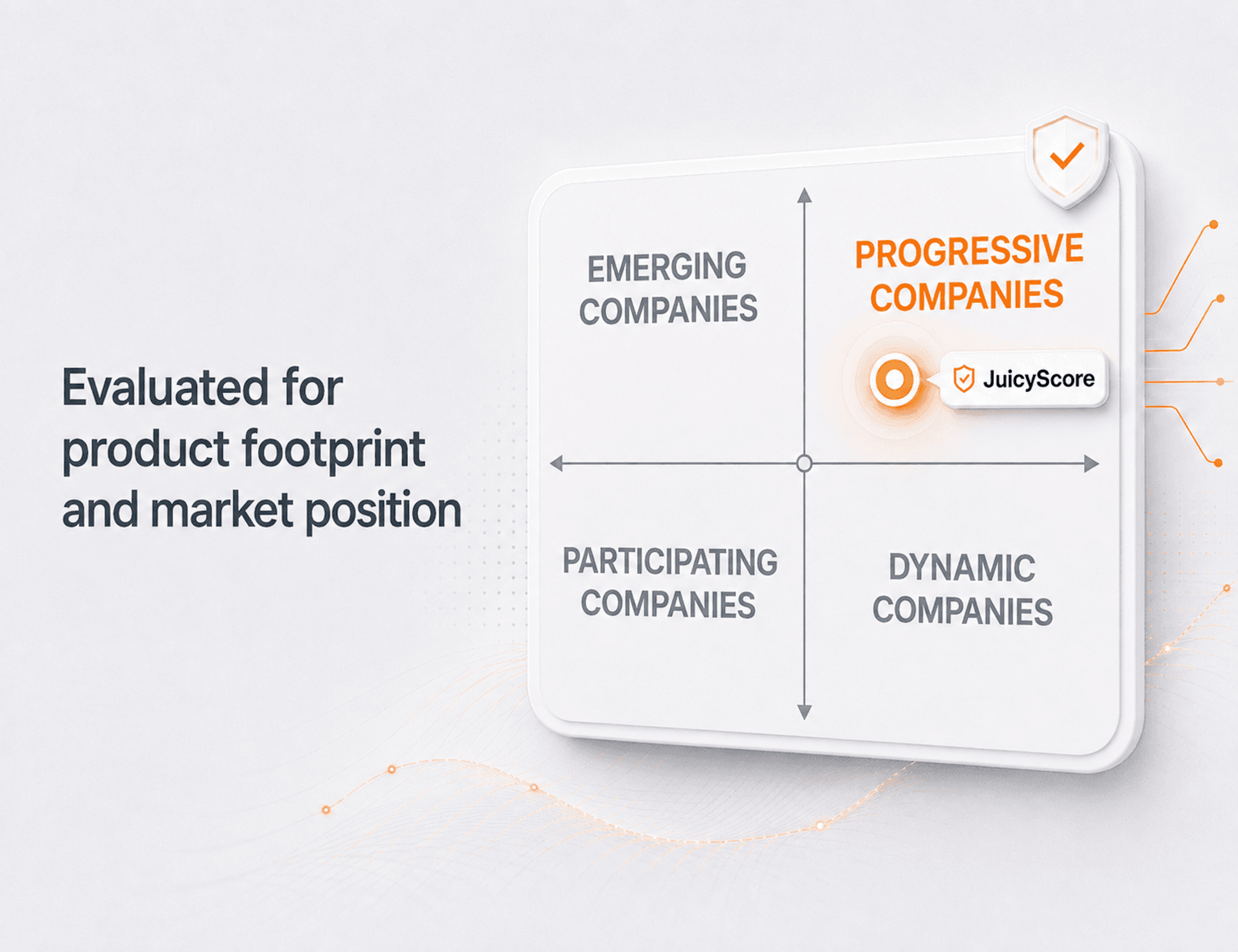
The report assesses vendors across the global FDP market by product scope, market presence, industries, and regions.
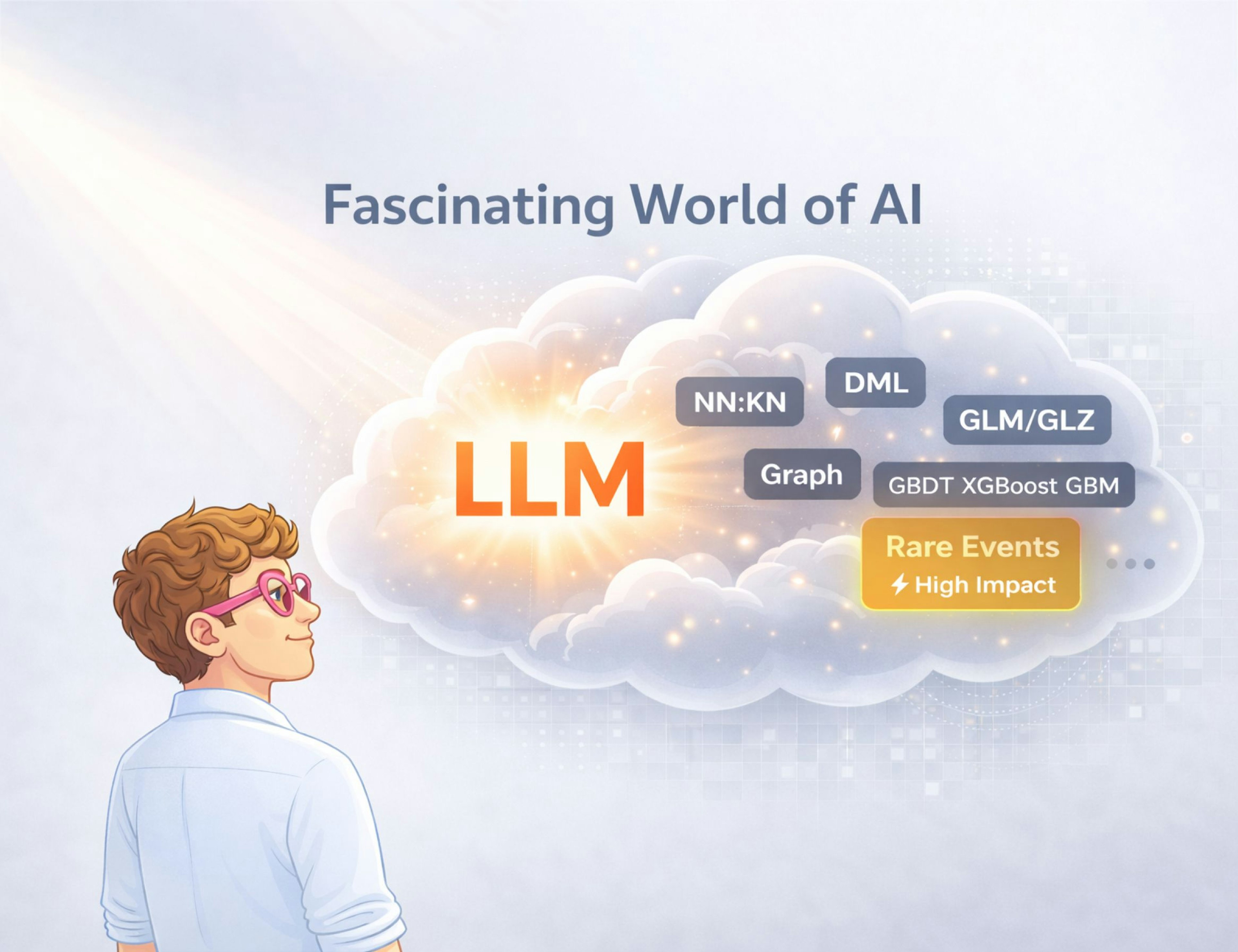
Despite the hype surrounding LLMs, their application in risk management requires a measured and critical assessment. What are the real use cases, the key limitations, and the reasons why generative models cannot directly replace traditional fraud prevention approaches?

Get a live session with our specialist who will show how your business can detect fraud attempts in real time.
Learn how unique device fingerprints help you link returning users and separate real customers from fraudsters.
Get insights into the main fraud tactics targeting your market — and see how to block them.
Phone:+971 50 371 9151
Email:sales@juicyscore.ai


Our dedicated experts will reach out to you promptly
 Identity now has to cover humans and AI agents