June 17, 2026Device & Behavioral Intelligence
Leading Behavioral Analytics Solutions for Fraud Prevention and Risk Management in 2026



A fraudster can hold a real name, a valid document, and a working credential. Compromised identity data trades at scale. Synthetic profiles may pass document checks. None of that reveals whether the person behind the session is who the data says they are.
That is what behavior reveals – the rhythm of how a form was completed, where hesitation appeared, whether the pattern matches a genuine applicant or a script running at scale.
Behavioral analytics scores how far a session diverges from the pattern of a genuine applicant – measured against what normal interaction looks like across the population, not against a single user's stored profile. An automated script fills fields with machine precision. A mule application repeats a flow seen across dozens of accounts, while the data on each looks clean. A coached scam victim may show interaction patterns that differ from the customer's usual behavior.
For fraud and risk teams, it surfaces attacks that single-event checks miss – account takeover, multi-accounting, money mule activity, automation. In lending, behavioral and device signals can complement bureau data and add predictive separation, particularly for thin-file borrowers.
This article covers behavioral analytics applied to fraud prevention and risk management in banking, lending, fintech, and payments. We take a look at five leading solutions – different classes of product, each using behavioral signals in its own way – on signal scope, privacy architecture, real-time capability, and fit for specific use cases.
Behavioral biometrics measures the physical interaction signature of one individual – keystroke cadence, mouse movement, swipe pressure, how a phone is held. It builds a profile of a single person and flags when the current session stops matching it. Its core use is continuous authentication and account takeover detection.
Behavioral analytics is broader. It examines patterns at the session and population level – navigation flow, form-fill sequence, interaction timing, automation signatures, velocity across accounts – and combines them with device and connection signals to score risk. It does not need to know who the user is to flag that a session behaves like a bot, a mule, or a coached applicant.
One distinction worth keeping clear when you search the category: outside financial services, "behavioral analytics" usually refers to product or UX analytics – heatmaps, conversion funnels, session replay – or to user and entity behavior analytics (UEBA) in cybersecurity. Those are separate disciplines with separate vendors.
A consistent framework makes vendor comparison easier. These dimensions separate strong solutions from adequate ones.
Does the solution read behavioral patterns alone, or behavioral plus device, connection, and transaction signals? Behavioral data is more informative when it sits inside a wider risk vector – an unusual form-fill pattern means more when paired with VM detection or a residential proxy.
Does the solution process personally identifiable information, or does it work on technical and behavioral signals only? This has direct compliance consequences under India's DPDP Act, Brazil's LGPD, the EU's GDPR, and similar frameworks. Solutions that operate without PII carry a structural advantage across several regulatory regimes at once.
Stopping a fraudulent application or scam payment requires scoring during the session, before money moves. Post-event analysis still has value for investigations, but the prevention bar is real-time.
Some solutions are built purely for fraud and financial crime. Others produce a signal vector that also adds predictive lift in credit underwriting – relevant for lenders assessing thin-file borrowers with shallow bureau coverage.
Risk teams have to justify rejections and escalations to regulators and internal audit. Transparent, auditable scoring matters more in compliance-heavy environments.
Many solutions were built for Western retail banking and assume stable connectivity and predictable device distributions. Emerging-market lending, mobile-first flows, and high-velocity transactions each demand different coverage.
These five solutions are not the same class of product, and the comparison is built around that. They use behavioral signals in different roles – as a core biometric layer (BioCatch), as one part of a broader fraud-management or RiskOps platform (Feedzai, Featurespace, NICE Actimize), or as one component within a wider device and runtime risk vector (JuicyScore). What they share is that behavioral analysis carries real weight in how each scores risk.

JuicyScore is a device intelligence and risk scoring service that treats behavioral signals as one layer within a wider risk vector. Rather than profiling a single user's physical interaction signature, it reads behavioral patterns during the session – how an application form is completed, interaction rhythm, anomalies that separate a genuine applicant from an automated script or a coached submission – and combines them with device and connection signals into aggregated risk indices.
Those indices draw on 65,000+ device-level parameters and produce 230+ predictive signals that feed directly into both fraud prevention and can be used as inputs for fraud prevention and credit-risk models. Operating across 45+ countries, the service works on technical device and behavioral signals rather than identity enrichment such as email, phone, or social data, which keeps it PII-free by design.
For risk teams, the value runs in two directions. Behavioral and device signals flag fraud patterns – multi-accounting, signals associated with mule-account activity, automation, remote access tool use – that static checks miss. The same signal vector adds separation in credit underwriting, including for thin-file borrowers where bureau data is shallow. This makes JuicyScore a risk intelligence layer that supports both fraud prevention and credit-risk assessment.

Feedzai is an AI-native RiskOps platform for end-to-end fraud and financial crime prevention. Behavioral analytics sits inside a wider model that combines transaction monitoring, device intelligence, and behavioral biometrics into a single risk profile spanning the customer lifecycle, from account opening to ongoing activity.
The approach builds an individual behavioral baseline for each customer and scores deviation in real time across channels and payment rails, supported by network intelligence drawn from across its client base. The platform is widely deployed in large banks, acquirers, and payment providers, and the European Central Bank selected Feedzai to help safeguard the planned digital euro against fraud.

BioCatch is the reference name in behavioral biometrics. It analyzes physical and cognitive interaction patterns – keystroke dynamics, mouse movement, swipe behavior, hesitation before entering data – to detect account takeover, social engineering scams, and money mule activity, primarily in online and mobile banking.
Its strength is continuous, friction-free monitoring through the session: subtle shifts in how a user interacts can flag a coached scam victim or a remote-access takeover before a payment is approved. The company reports analyzing billions of user sessions each month and operates a behavior-based intelligence-sharing network across member banks.

Featurespace coined the term Adaptive Behavioral Analytics and built the ARIC Risk Hub around it. Following Visa's acquisition, ARIC Risk Hub now operates as a Visa solution. It models each customer's genuine behavior in real time, adapts as that behavior changes, and scores anomalies for fraud and anti-money laundering across more than 180 countries.
The technology is deployed in large banks, payment processors, and acquirers, with particular depth in scam and payments fraud. Visa ownership extends its reach across the Visa network – an advantage for institutions already inside that ecosystem, and a point to weigh for those that prefer vendor independence.

NICE Actimize is the enterprise incumbent in fraud and financial crime management. Its Integrated Fraud Management suite (IFM and IFM-X) applies behavioral analytics within a broad stack covering scams and mule defense, new-account fraud, payments fraud, authentication, and case management, used by more than 1,000 organizations across over 70 countries.
Behavioral pattern analysis feeds entity-centric risk profiles and network analytics that surface fraud rings and hidden relationships, supported by collective intelligence and federated learning across institutions. The breadth and regulatory depth suit large institutions that want fraud, AML, and investigations under one roof.
The right behavioral analytics solution* depends on your vertical, geography, and what you are trying to prevent.
Behavioral signals that double as credit-risk input, PII-free architecture, and compliance with local data protection laws carry the most weight. JuicyScore is built for this context: its behavioral and device signals feed both fraud prevention and underwriting, including for thin-file borrowers in markets where bureau coverage is shallow.
Mass registration, bonus abuse, and organized fraud networks show up as behavioral and device patterns shared across accounts. JuicyScore covers this directly through linked-device and fraud-ring detection, automation and randomizer/anti-detect detection, and VM and emulator signals. Feedzai and NICE Actimize add network analytics at enterprise scale.
Behavioral deviation mid-session is the core signal. BioCatch leads on continuous behavioral biometrics for coached-scam and takeover detection. JuicyScore approaches the same problem from the session and environment side, including remote access tool detection (such as AnyDesk and TeamViewer), screen-sharing and remote-control signals – a few solutions in the category claim.
Real-time behavioral scoring across channels and rails matters most. Feedzai and Featurespace (Visa ARIC Risk Hub) are built for this volume.
Detecting a manipulated but legitimate user requires modeling that individual's behavior over time. Behavioral biometrics is the sharper instrument here, where BioCatch and NICE Actimize lead.
When financial crime and compliance need to sit together – KYC, sanctions screening, case management – NICE Actimize and Feedzai cover both.
*We compare public positioning across behavioral analytics, device and connection signals, real-time scoring, credit-risk applicability, and privacy model. This is not a feature audit.
Behavioral analytics in fraud detection is the analysis of how users interact with a digital service – navigation flow, form-fill patterns, session rhythm, and velocity across accounts – to flag activity that deviates from genuine behavior. It scores risk from patterns rather than static identity attributes, which lets it catch fraud that single-event checks miss.
Behavioral biometrics measures one individual's physical interaction signature – keystroke cadence, mouse movement, swipe pressure – mainly for continuous authentication. Behavioral analytics is broader: it reads session- and population-level patterns and combines them with device and connection signals to score risk, without needing to know who the individual is.
Not necessarily. Some solutions can analyze technical and behavioral signals without relying on direct user identifiers such as names, phone numbers, or email addresses. This can reduce the amount of directly identifying data processed and simplify certain aspects of data governance. However, the legal treatment of device, connection, and behavioral data depends on the specific implementation and the applicable regulatory framework.
Yes. Automated scripts, emulators, and bots produce interaction patterns that differ from human behavior – uniform timing, no natural hesitation, abnormal navigation sequences. Behavioral analytics flags these signatures in real time, which makes it effective against account farming, multi-accounting, and credential-stuffing attacks.
Beyond fraud, behavioral and device signals add predictive separation in credit scoring. For thin-file borrowers with limited bureau history, behavioral patterns during the application – combined with device and connection data – give lenders an extra risk layer that strengthens underwriting without relying on traditional credit data alone.
No – they solve different problems. KYC verifies identity at onboarding, while behavioral analytics adds risk visibility during later interactions and transactions.
Vendor descriptions are based on publicly available information as of 2026, except where noted. The JuicyScore section reflects first-party product detail; all other summaries rely on publicly available sources. Capabilities change – verify current details directly with each vendor before making procurement decisions.
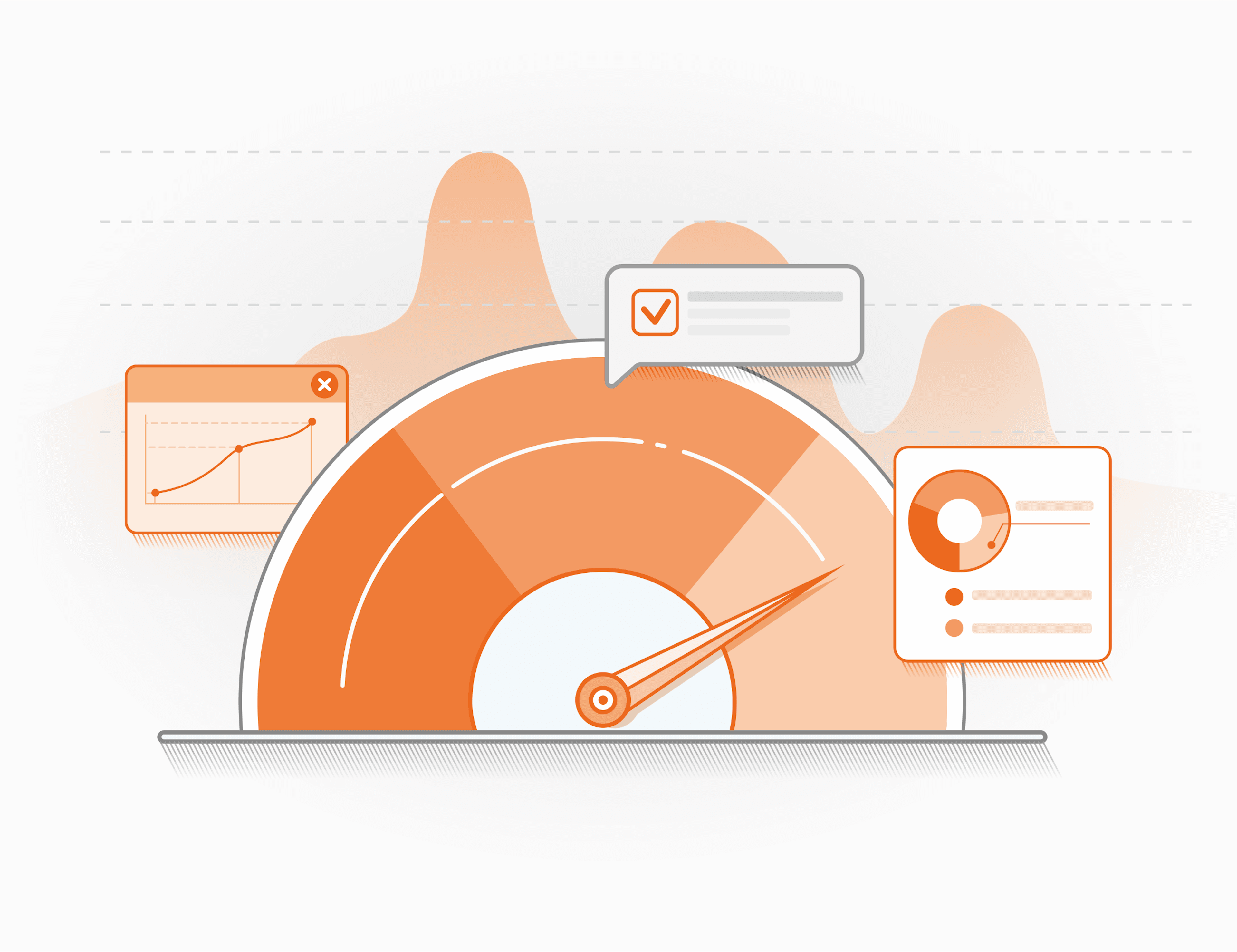
Understanding the role of behavioral biometrics in fraud prevention.

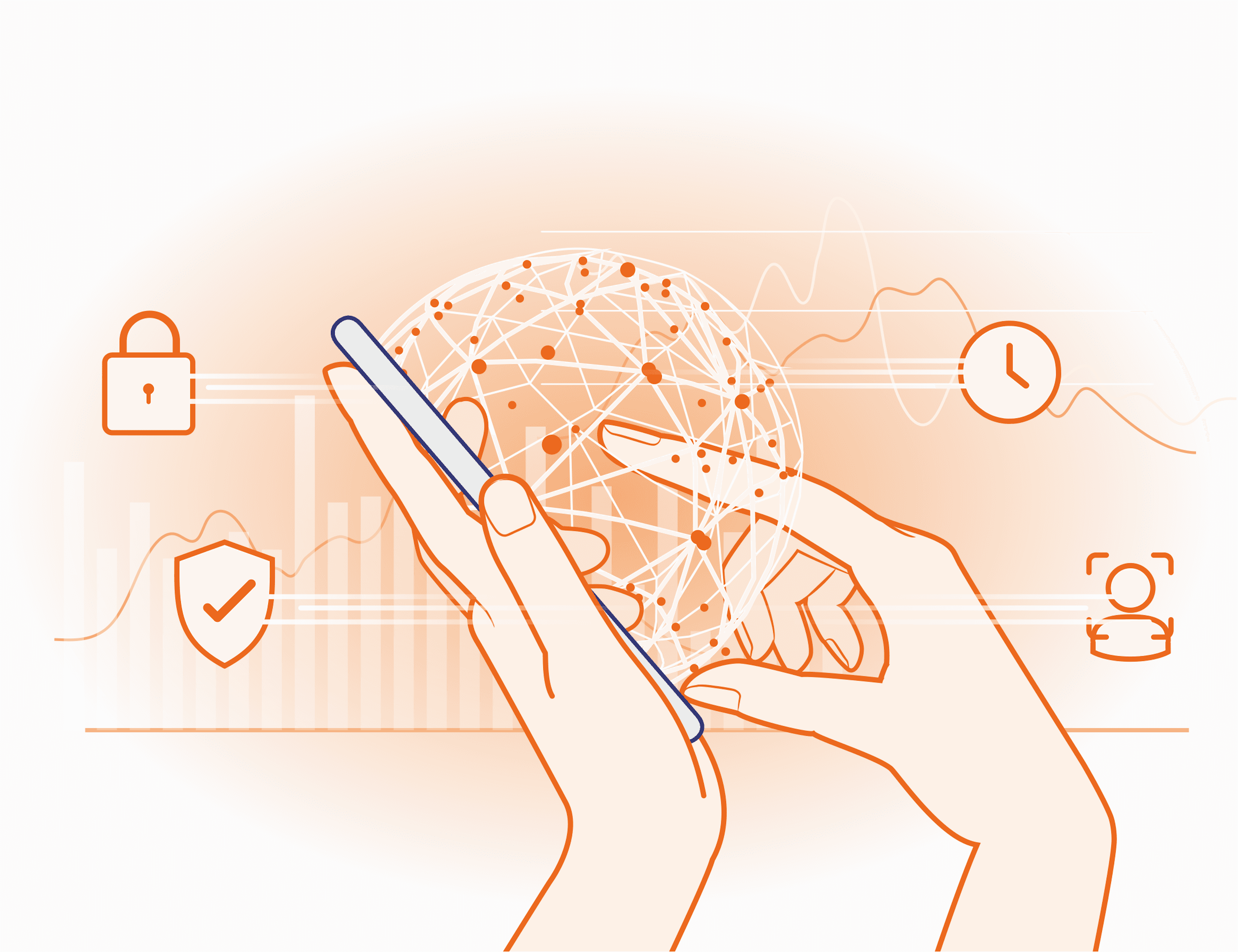
When personal data stops explaining credit risk, scoring needs a new lens. How device intelligence restores visibility in digital lending.
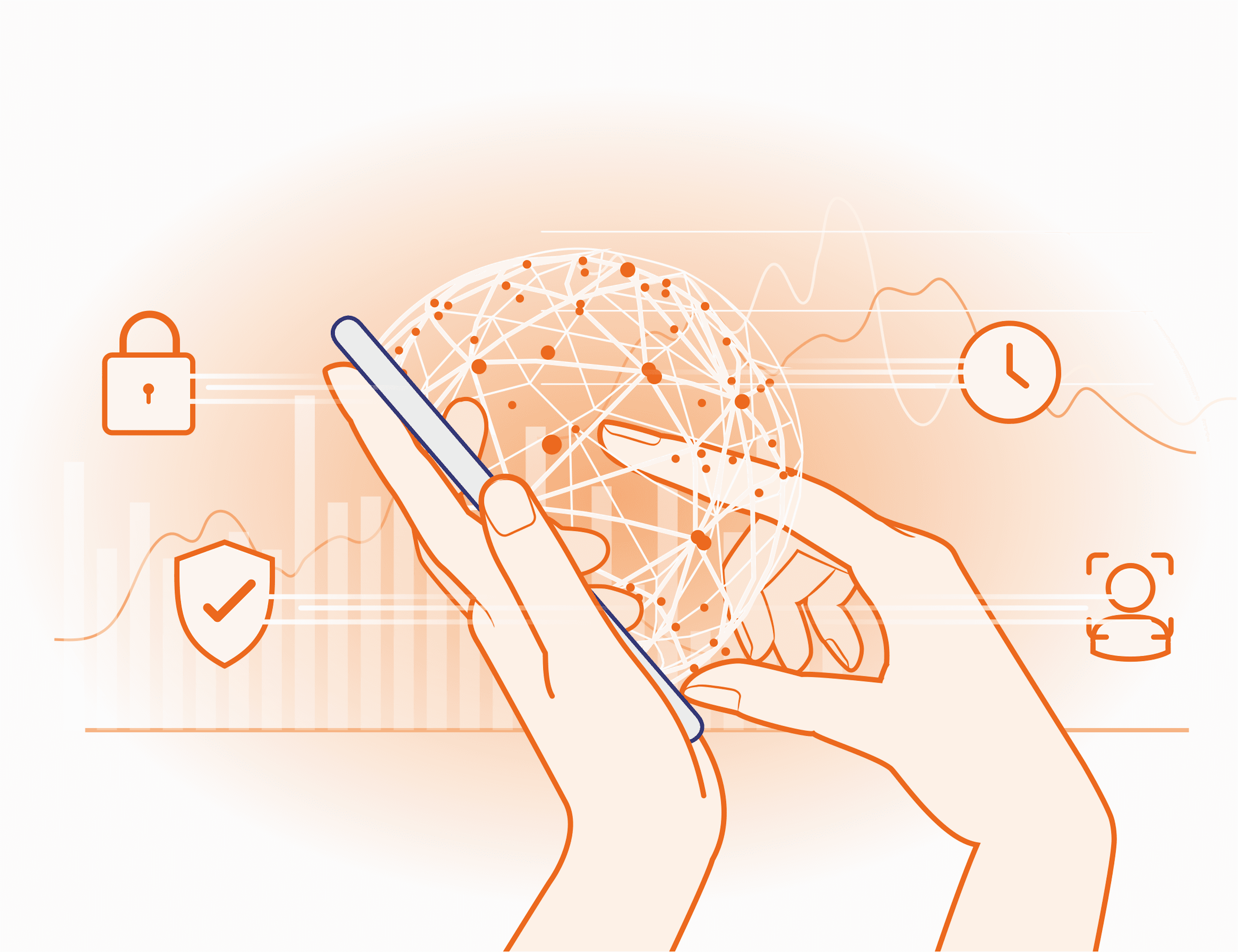
A practical comparison of 12 leading device intelligence solutions and platforms in 2026 – signal depth, privacy architecture, and vertical fit.

Get a live session with our specialist who will show how your business can detect fraud attempts in real time.
Learn how unique device fingerprints help you link returning users and separate real customers from fraudsters.
Get insights into the main fraud tactics targeting your market — and see how to block them.
Phone:+971 50 371 9151
Email:sales@juicyscore.ai


Our dedicated experts will reach out to you promptly
 Why behavioral analytics